

- May 13, 2026
- Search Engine Optimization
- Comments : 0
Why Does Switching to an AI-Built Website Without Transferring SEO Hurt Your Business?
You just got a shiny new AI-built website. It looks great, loads fast, and only took a few hours to set up. So why is your phone not ringing anymore?
The answer is simple: you left your SEO behind.
Switching to an AI-built website without transferring your existing SEO is one of the most damaging moves a business can make online. It can wipe out years of hard work in a matter of days. Here is what actually happens when you make that switch without a proper SEO transition plan.
What Happens to Your Backlinks When You Launch a New AI Site?
Every time another website links to yours, it passes along what SEO experts call “link equity” or “link juice.” These backlinks are a vote of confidence in your site. Over time, they build your domain authority, which directly affects how high you rank on Google.
When you launch a new AI-built site without setting up 301 redirects, those old links now point to broken pages. Your visitors and Google both hit a dead end. According to search engine experts, without proper redirects, old URLs lose all their accumulated signals and new URLs must be evaluated from scratch, which can take months to recover from.
One study found that 50% traffic loss is common after a poor website migration, with an average recovery time of 523 days. One large retailer lost the equivalent of $5 million USD in the very first month after a botched site switch.
The fix is not complicated, but it is critical: every old URL needs a 301 redirect to its matching new page. Skipping this step forces Google to treat your new site like a brand-new business with zero history.
Does an AI Website Builder Really Damage Your Technical SEO Foundation?
Yes, and most business owners do not find out until their traffic disappears.
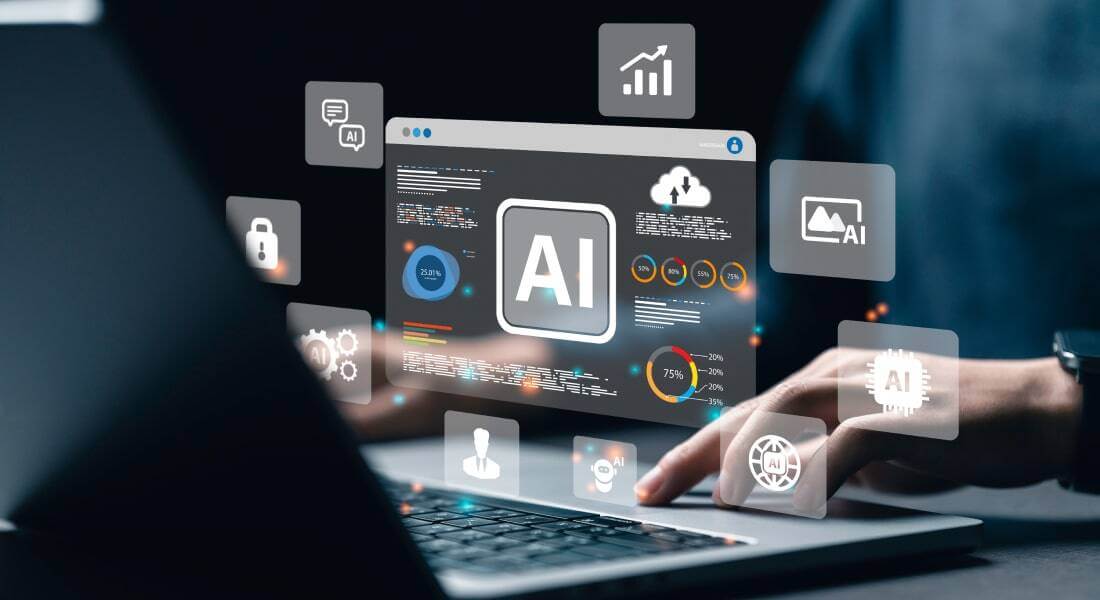
Many AI website builders use client-side rendering (CSR). This means the page is built in the visitor’s browser rather than on the server. Google’s crawlers can struggle to read these pages correctly, leading to missing H1 tags, no meta descriptions, broken schema markup, and unreadable image alt text.
These are not small details. They are the signals Google uses to understand what your page is about, who it serves, and where it should rank. Without them, your content may never show up in search results at all.
On top of that, AI builders often create entirely new URL structures. Any change in URL structure without proper redirects means Google’s index fills up with broken links, and direct traffic to your old URLs simply vanishes.
How Does Losing Your SEO History Hurt Your Conversion Rate?
It is not just about rankings. It is about revenue.
Your old website, even if it looked dated, had something valuable: a history. It knew which pages converted visitors into customers. It had forms, calls to action, and content placed in the right spots based on real user behavior.
AI-built templates are designed to look clean. They are not designed around your specific customer journey. When you lose your conversion-optimized structure alongside your SEO, you are starting from zero on both fronts at once. The result is higher bounce rates, fewer leads, and a longer road back to where you were.
What Should Be Moved Before Launch?
Before switching to an AI built website, your SEO team should review your current site. They should save your top pages, keyword rankings, backlinks, meta titles, descriptions, headings, images, blogs, and local landing pages.
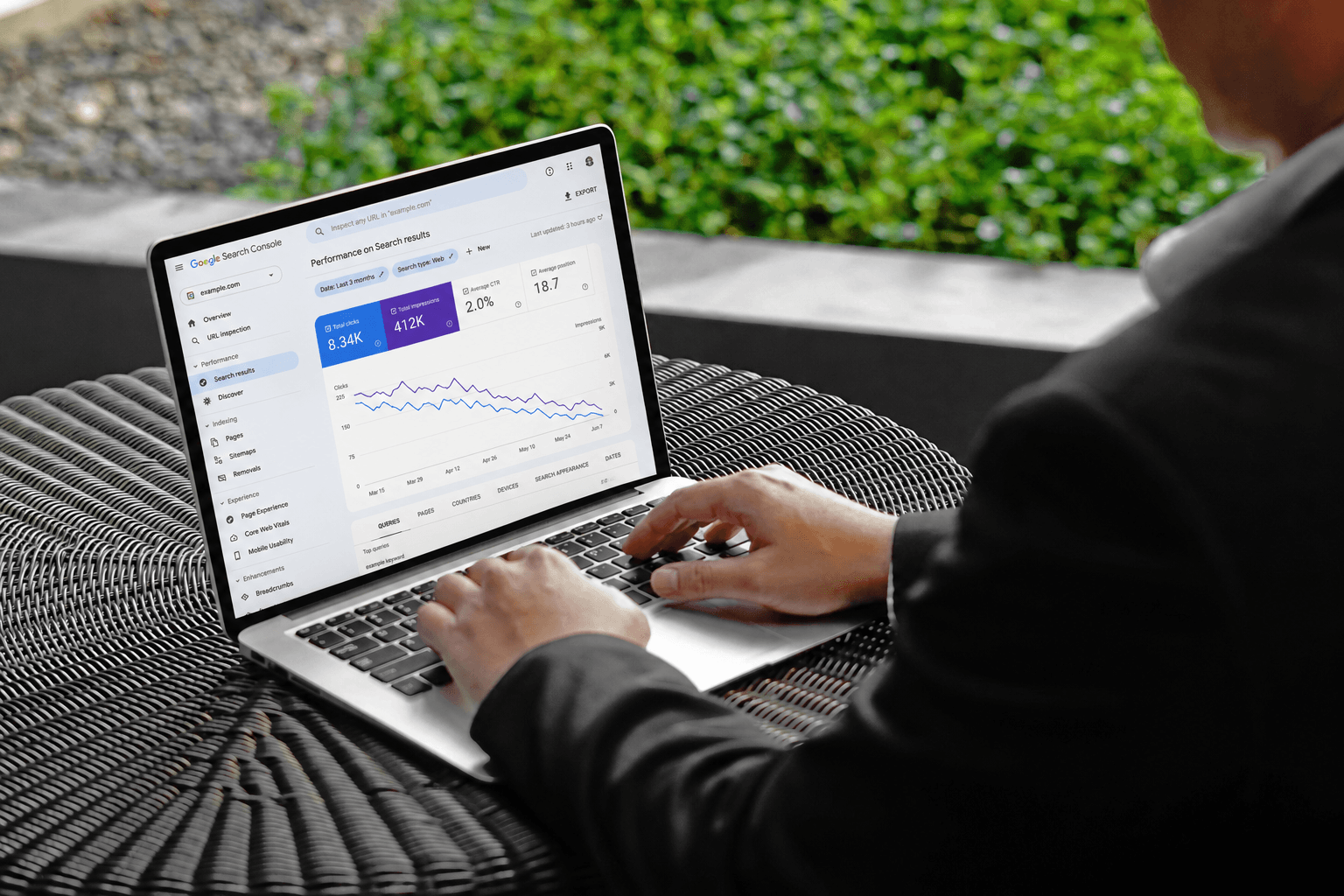
They should also create a redirect map. This connects old pages to the best new pages. Google Search Console should be checked after launch to find errors, traffic drops, and indexing issues. Google says Search Console helps site owners measure traffic, fix problems, and improve search performance.
Ready to Switch Websites Without Losing Everything You Have Built?
Making the move to a new website does not have to cost you your rankings, your traffic, or your customers. It just has to be done right.
At Mr. Pipeline, we specialize in making sure your SEO comes with you when you upgrade your website. From 301 redirect mapping to technical audits and content strategy, we handle every step of the transition so Google never loses track of your business.
Call us today at (561) 899-3043 and let us protect what you have already earned.
Frequently Asked Questions
Should I delete my old website after launching a new one?
No. You should not delete the old website until your SEO team has saved important pages, content, links, and redirect information.
Can changing my domain hurt SEO?
Yes. Changing your domain can hurt SEO if redirects, Google Search Console, backlinks, and page history are not handled correctly.
How long does SEO recovery take after a bad website switch?
It can take weeks or months, depending on how much SEO was lost and how quickly the problems are fixed.
What happens if my old blog posts are not moved?
You may lose traffic from keywords for which those blog posts ranked. You may also lose internal links that helped other pages rank.
Can broken links hurt my website?
Yes. Broken links can create a poor user experience and make it harder for search engines to crawl your website.