
- June 25, 2026
- Home Services
- Comments : 0
How Mobile Detailers Can Increase Average Ticket Size During Peak Season
Peak season is the time most mobile detailers look forward to all year. The phones are ringing, the schedule fills up fast, and you’re putting in long days. But here’s a question worth sitting with: are you actually making more money per job, or just doing more jobs?
Being busy and being profitable are not the same thing. If your average ticket is $120 in January and still $120 in June, you’re leaving real money on the table. The good news is that peak season is actually the best time to fix this, because customers are already in a spending mindset and their cars are taking a beating from the heat, the rain, and the road.
Here’s how mobile detailers can turn a full calendar into a genuinely more profitable one.
Why Does Peak Season Create the Best Upsell Opportunity?
Think about the kind of customer who calls during peak season. They’re getting ready for a road trip, trying to impress someone at a summer event, or just fed up with how their car looks after months of winter grime. They’re motivated. They already decided to spend money on their vehicle. That’s your window, and where timing matters. A customer calling in June about a basic wash is far more receptive to a ceramic coating conversation than one calling in February when they just need road salt off their undercarriage. The emotional context is completely different.
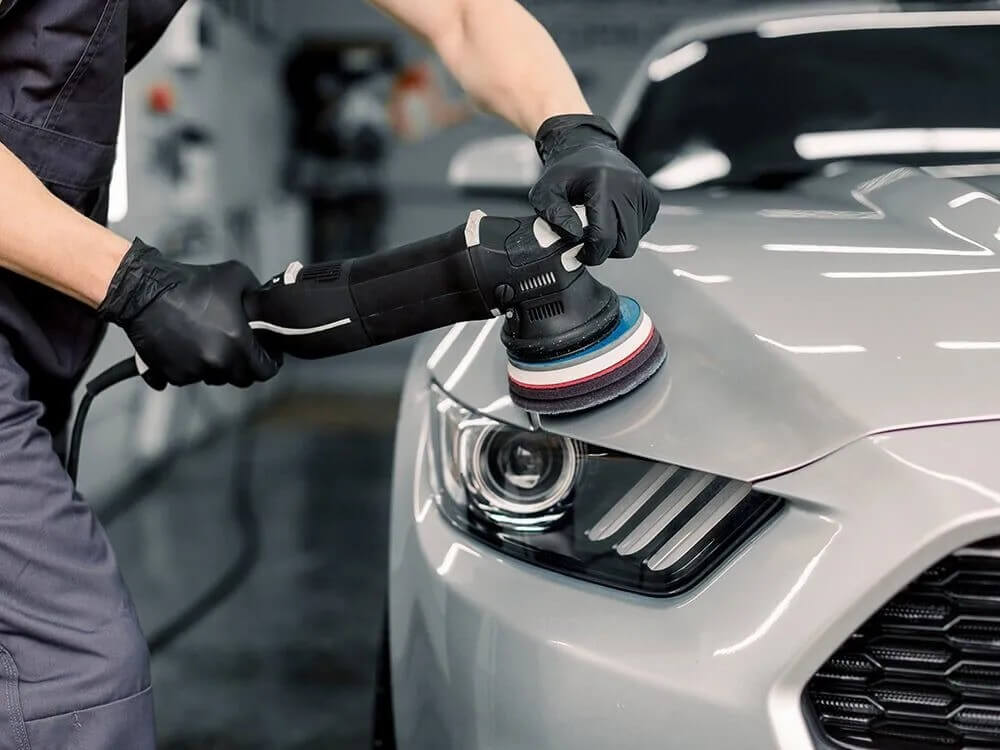
What Service Bundles Actually Move the Needle on Ticket Value?
Bundling is one of the most underused tools in a mobile detailer’s business. Most detailers offer a menu of individual services. A basic wash here, an interior detail there. The problem with that approach is that it puts the customer in charge of building their own package, and most people default to the cheapest option when left alone to decide.
A better move is to pre-build tiered packages. Think “Good, Better, Best.” Your entry package covers the basics. Your mid-tier adds paint decontamination, a sealant, and an odor treatment. Your premium tier includes ceramic coating, interior protection, and a UV treatment on the trim. When a customer picks the middle option, you’ve already made more than you would have on a standalone wash, and you didn’t have to convince them of anything extraordinary.
Price bundling works best when the services being packaged together are complementary and the combined value clearly exceeds what customers would pay buying them separately. For a mobile detailer, that might mean pairing a full interior deep clean with a fabric protector spray. The extra cost to you is minimal. The perceived value to the customer is significant, especially parents with young kids or pet owners who are already anxious about their upholstery.
During summer months in humid markets like South Florida, engine bay cleaning and mold treatment for interior vents become easy additions. In dusty desert areas like Phoenix or Las Vegas, paint decontamination and ceramic coating sell themselves because customers can see and feel what the environment does to their clear coat.
How Do You Train Customers to See the Value in Premium Add-Ons?
This is where a lot of detailers get stuck. They know ceramic coatings are profitable. They know interior protection is worth it. But when they bring it up, the customer hesitates, and the detailer backs off.
The issue usually isn’t price. It’s education. Customers don’t push back on $600 ceramic coatings because they’re cheap. They push back because nobody explained what they’re actually protecting.
With the average new vehicle now costing around $50,000 and financing terms stretching to eight or even ten years, consumers are holding onto their cars longer than ever. When you frame ceramic coating as protecting a decade-long financial commitment rather than just making a car shiny, the conversation shifts entirely.
Try this approach on your next appointment: before you quote anything, walk around the vehicle with the customer and narrate what you see. Point out the water spots on the hood. Show them how oxidized the trim looks. Explain that the clear coat is already thinning from UV exposure. You’re not being dramatic. You’re being helpful. And once they see the problem, they’re far more open to paying for the solution.
The U.S. Small Business Administration consistently highlights customer education as one of the most cost-effective ways small service businesses build long-term value. In the detailing world, an educated customer becomes a loyal one who refers their neighbors.
What Add-Ons Carry the Highest Profit Margin During Peak Season?
Not all add-ons are created equal. Some take an extra hour and barely move your ticket. Others take twenty minutes and add $80 to $150 to your invoice. Knowing the difference is what separates a profitable operation from one that’s just grinding through appointments.
Here are the add-ons that tend to deliver the best return for time invested:
- Ceramic spray coating – Faster to apply than a full ceramic, still protective, and easy to upsell after a wash when the paint is already prepped.
- Interior fabric and leather protection – Minimal product cost, quick application, and something many customers forget until you mention it.
- Headlight restoration – Visually dramatic results, quick to do, and most customers don’t realize how bad their headlights look until you show them.
- Engine bay cleaning – Seasonal favorite, especially before road trips. Often requested if you mention it at booking.
- Odor elimination treatment – High perceived value, especially for families and pet owners.
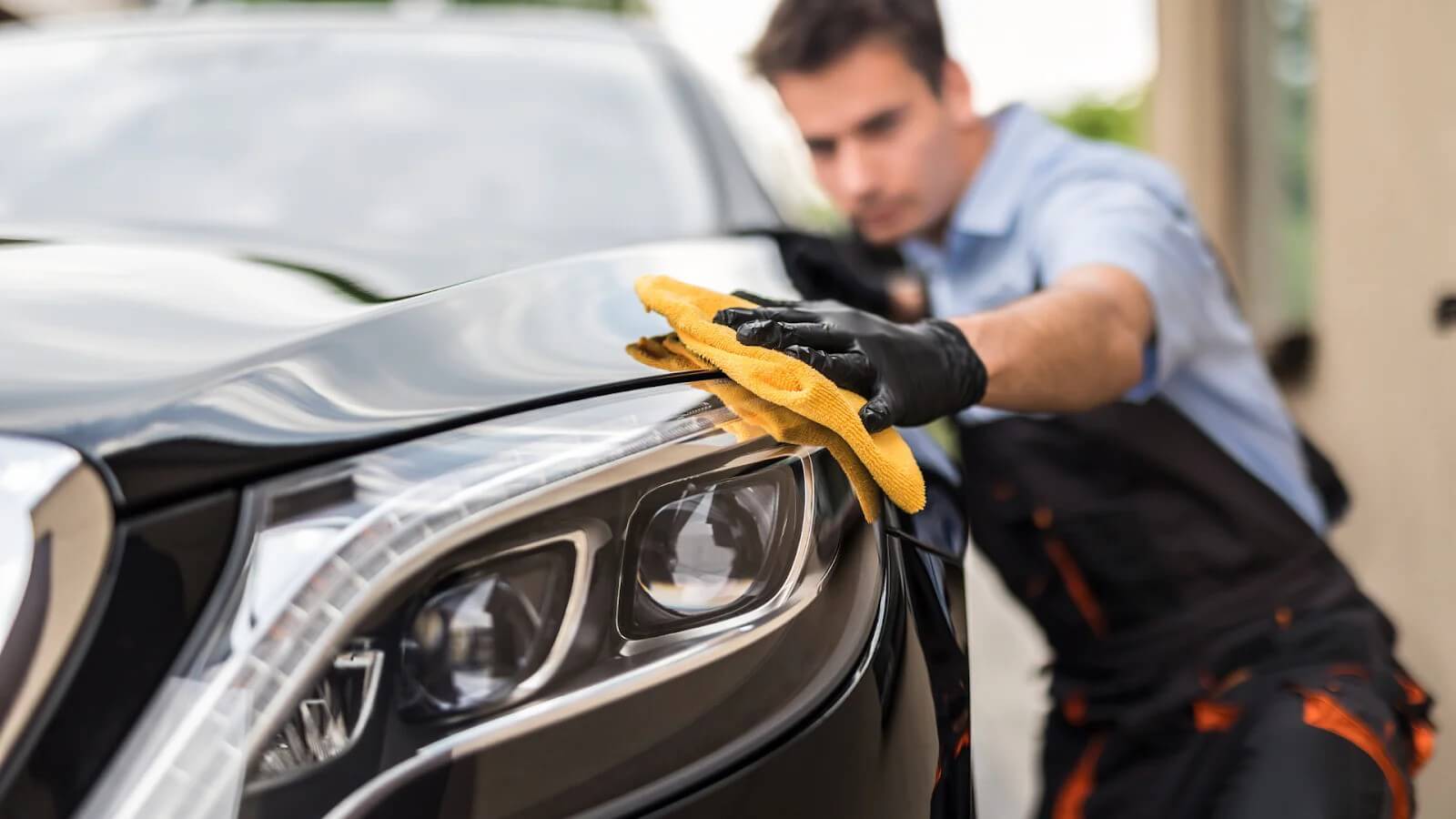
How Do You Handle the Conversation Without Sounding Pushy?
Nobody likes feeling like they’re being sold to. The best upsell conversations in the detailing world don’t feel like sales pitches at all. They feel like advice from someone who knows what they’re doing.
The difference usually comes down to framing. Instead of “Would you like to add ceramic coating for $550?”, try “I noticed some UV fade starting on your hood. Given how much sun this area gets, a ceramic layer would protect that for the next two to three years. Want me to walk you through what that looks like?” One is a transaction. The other is a recommendation from a professional.
Detailers working in markets with extreme weather patterns, like coastal areas dealing with salt air or inland cities with scorching summers, have a natural advantage here. The environment does the selling for you. All you have to do is connect the dots for the customer between what their car faces every day and what your service prevents.
Is There a Smart Way to Capture Repeat Business While You’re at It?
Peak season isn’t just a chance to raise one ticket. It’s a chance to set up recurring revenue. Every customer you serve in the summer is a potential maintenance plan customer for the fall and winter.
Maintenance packages, offered at a slight discount in exchange for a commitment to quarterly services, keep your calendar from going cold when the season slows down. They also make each individual visit more valuable because a returning customer is far more likely to say yes to add-ons. They already trust you. That trust is worth more than any sales script.
Ready to Stop Leaving Money on the Table This Peak Season?
Peak season is not the time to play it safe with your pricing or your service menu. Your schedule is full, your customers are motivated, and the conditions are perfect for every conversation about ceramic coatings, interior protection, and premium bundles. The detailers who walk away from summer with real profit gains are not just the ones who stayed busiest. They’re the ones who asked the right questions at every appointment.
If you want help building a marketing strategy that supports your upselling efforts and keeps your calendar packed with the right kind of customers, Mr. Pipeline can help. Give us a call at (561) 899-3043 and let’s build a plan that makes every lead count.
Frequently Asked Questions
When exactly is peak season for mobile detailers?
It varies by region, but most mobile detailers see their busiest months between April and September. Spring and early summer tend to drive the biggest spike in bookings.
How much should I raise my prices during peak season?
A 10–20% seasonal increase is common and generally well-accepted when demand is high. Just communicate the change clearly before the appointment, not at checkout.
Is it better to raise prices or add more services to increase ticket size?
Both work, but adding services usually meets less resistance. Customers feel they’re getting more, rather than paying more for the same thing.
How do I compete with cheaper detailers during peak season?
Stop competing on price entirely. Focus on your results, your professionalism, and the quality of your products. Customers willing to pay more exist in every market, you just have to position yourself for them.
How do I train myself or my team to upsell consistently?
Build a pre-job checklist with five to seven talking points tied to what you observe on the vehicle. Run it on every appointment until it becomes a habit.